

TOUR I
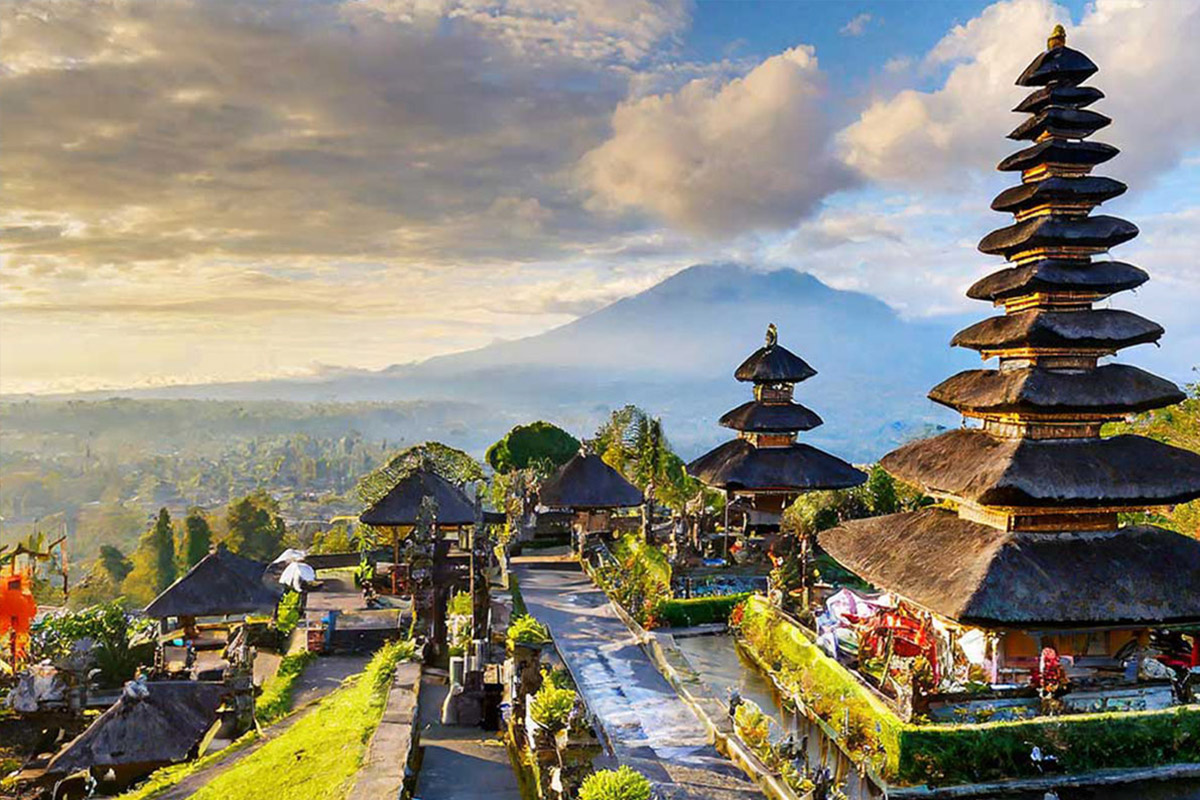
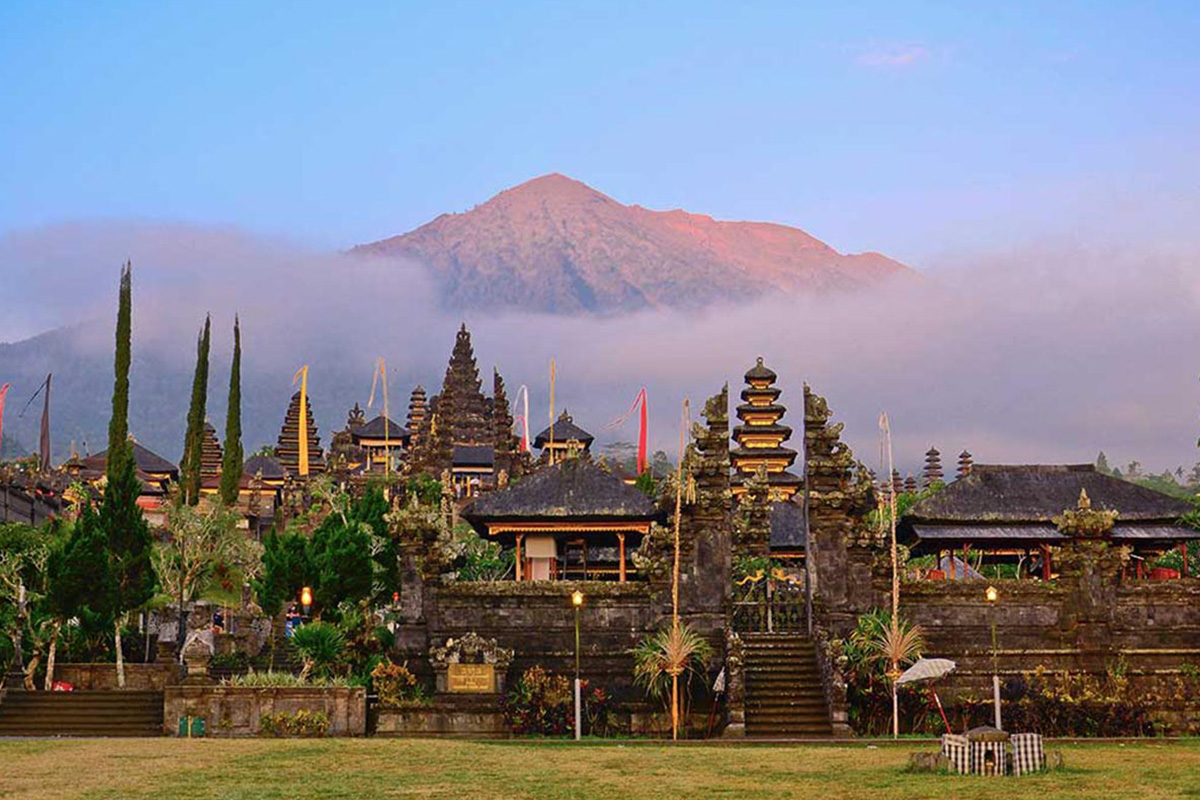
Besakih is a village located at the foot of Mount Agung in the Rendang sub-district of Karangasem regency. Originally an uninhabited wilderness, the area saw its first settlers around the 9th century AD when Sang Yogi Markandya, a priest from East Java, arrived searching for a new settlement. The name Besakih is linked to the Panca Datu planting ceremony performed during Priest Rsi Markandya's second visit. The site where he planted the Panca Datu was named Basuki (now Besakih), meaning safe, and a temple called Pura Basukihan was established there. This temple is one of the 22 temples in the Besakih Temple complex, the largest Hindu temple complex in Bali and Indonesia. Known as the Mother Temple, it sits at an elevation of 1,000 meters above sea level and offers spectacular views of southern Bali.
During the 2017 volcanic eruption of Mount Agung, the Pasebaya Agung community played a crucial role. Formed on November 17, 2017, in Karangasem, this group of volunteers from 28 villages in disaster-prone areas worked tirelessly to monitor the volcano's activity and prevent societal destruction. They risked their lives to help others, demonstrating a strong commitment to humanitarian efforts.
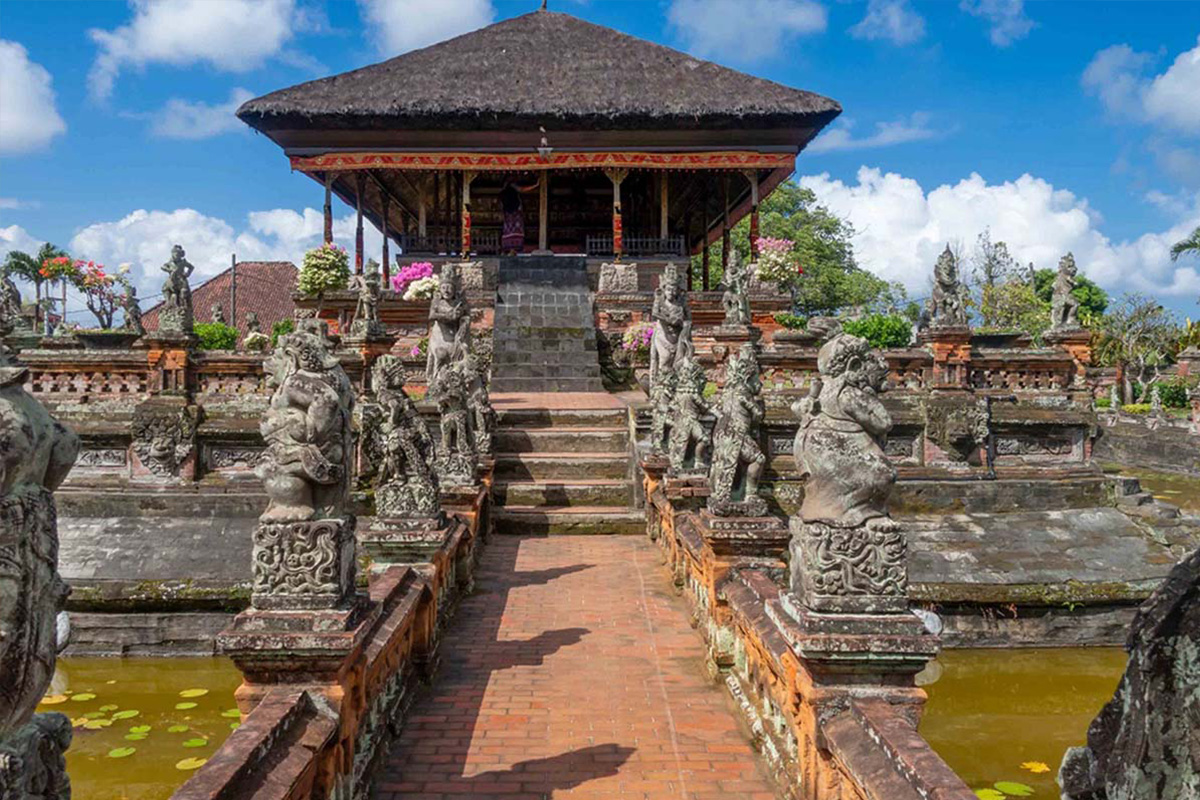
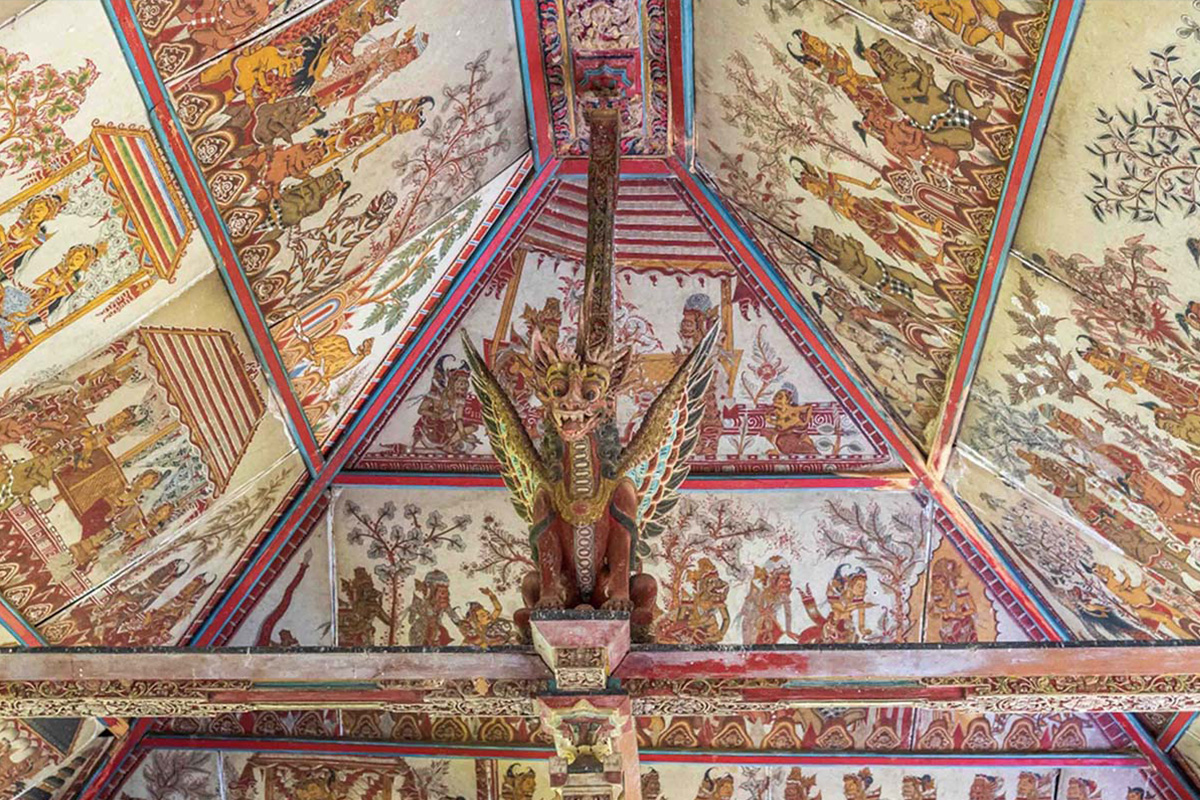
Kertha Gosa is an old pavilion that once served as the supreme court of justice. Built in the early 18th century by the King of Klungkung, it features the Bhima Swarga story, a Hindu epic from the Mahabharata, painted on its ceiling. The court, presided over by three Brahmana priests known for their harsh sentences, displayed these paintings to convicts and visitors awaiting judgment. The pavilion is an excellent example of Balinese architecture and the Kamasan-Wayang painting style. Located in the center of Semarapura Town, it was initially used as a court of law until 1945 and was repainted in the 1920s and 1960s. The name Kertha Gosa means "the place where the king meets with his ministers to discuss questions of justice.
Pickup Time : 08:30 AM - 09:00 AM